Fullphysio
Team Fullphysio



Stay informed
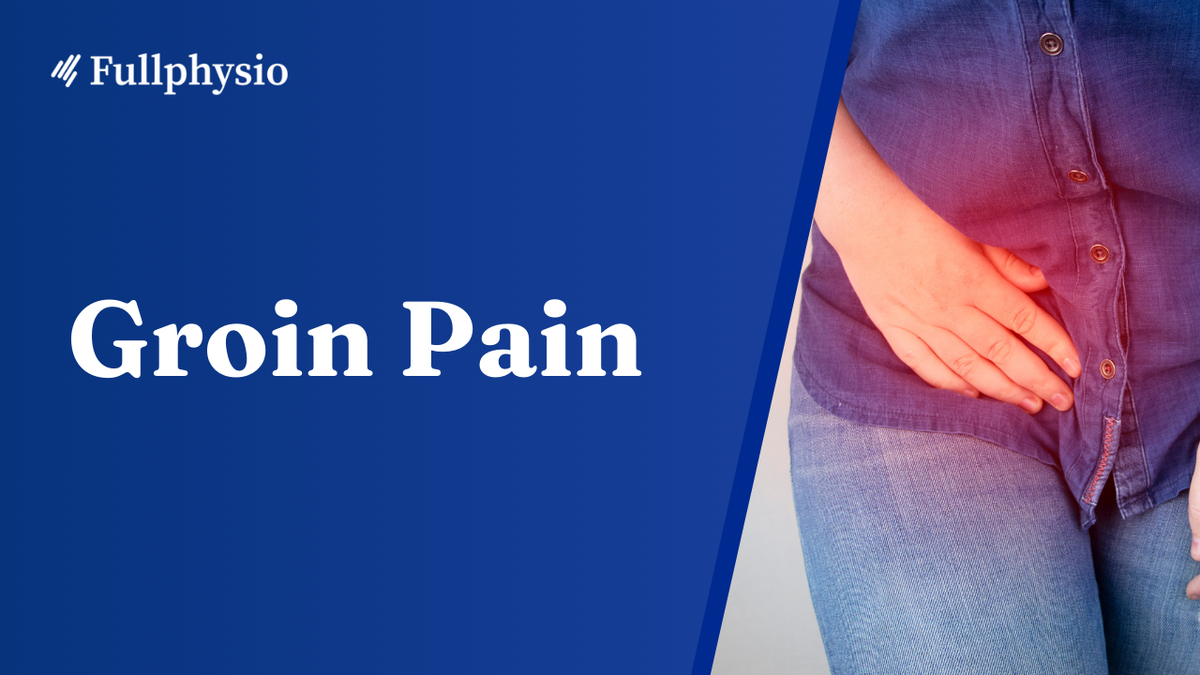
After being called “pubalgia” for many years, groin pain syndrome is a condition that can affect all musculoskeletal structures in the anterior portion of the pelvic girdle. It primarily affects male athletes in sports involving acceleration, deceleration, asymmetric weight-bearing, cutting (Serner et al. 2015), and kicking (soccer, rugby, etc.). Despite the numerous studies conducted on this topic over the past decade, diagnosis remains difficult, and there is no consensus regarding its management (Hölmich et al. 2017). The first challenge for the therapist lies in performing a thorough clinical examination that rules out the many differential diagnoses and identifies the clinical entity or entities responsible for the groin pain.
In most cases, this condition follows a chronic course with gradual onset, but acute, traumatic forms also exist. Early management of these athletes is essential to promote and ensure a return to sport at a level equal to that before the injury. This therapeutic approach will rely primarily on mechanical stress assessment and quantification, the identification of painful movements, muscle conditioning, and the gradual reintroduction of the sport-specific movement.
Even today, it remains difficult to provide a clear and precise definition of this syndrome. Until recently, there was no consensus regarding the terminology and classification of groin pain. This is due to its complexity, stemming in part from the large number of anatomical structures that may be involved and from the various possible mechanisms of injury.
This lack of classification has therefore made communication among clinicians unclear, as has the interpretation of findings from the literature. However, in recent years, a better understanding based on a recently established consensus (Doha, 2015) has made it possible to further refine the classifications of groin pain. Many researchers are working together to provide relevant information that clarifies clinical examination techniques, the identification of impairments, and the assessment of function and performance in order to optimize the management of the athlete.
Incidence & Prevalence
Terminology and Common Locations
Risk Factors
Anatomical Overview
Subjective History
Physical Examination
Imaging
Monitoring the Patient's Progress
Protocol and Prevention
Progressive Strengthening
Reathletization and Return to Sport
Manual Therapy and Other Adjuvant Treatments
Therapeutic Education
The Benefits of Stretching for Groin Pain
Motor Control and Proprioception
Access to the Fullphysio app is opening soon.

Evidence-based knowledge and patient care, brought together in one platform for physiotherapists.
By subscribing, you agree to receive the Fullphysio newsletter. Every email carries an unsubscribe link. Privacy policy